Future- Proofing Creativity- The Role of Art & design in an AI World
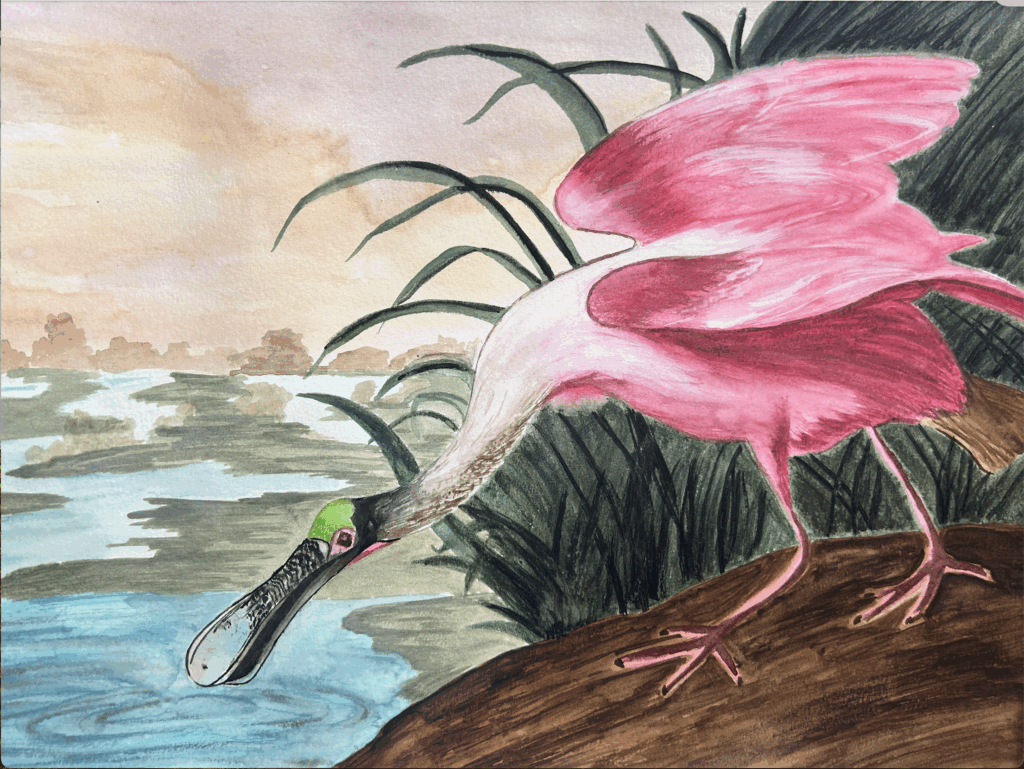
Why Art and Design Matter More Than Ever in an AI WorldBy – Dr. Nidhi L Sharda In today’s fast-moving digital world, where artificial intelligence is transforming industries and automating tasks that were once deeply human, it’s easy to wonder: Where does traditional art and design fit in? As the founder of Kalaa, I hear this question often. And every time, my answer is unwavering—Art and design are not only still relevant, they are essential. In fact, I believe this is one of the most important times in history to nurture creative skills. The Myth of Talent—and the Power of Consistency There’s a common misconception that being “talented” is enough. But talent without consistency? It fades. Like a musician who practices every day or an athlete who trains religiously, artists and designers grow through regular effort, reflection, and experimentation. At Kalaa, we’ve seen again and again that creativity isn’t just a gift—it’s a skill that deepens with dedication. But nurturing talent doesn’t mean pressuring kids or rushing them toward perfection. It means giving them the space, tools, and time to evolve. Whether they’re sketching, painting, sculpting, sewing, or exploring digital media, our students learn how to express themselves with intention, care, and confidence. Why Hands Still Matter in a Digital World Sure, AI can generate stunning visuals and mimic design trends—but what it can’t do is replicate the emotional intelligence, cultural memory, and intuitive hand-mind connection that we humans carry. There’s a memory in our fingertips, a kind of knowing that no algorithm can imitate. Every brushstroke, every thread pulled through fabric, every pencil line carries the weight of human thought and feeling. These tactile experiences shape our creativity from the ground up. And in children especially, developing hand skills enhances cognitive growth, emotional regulation, and deep self-expression. In an age of screens and speed, art brings us back to our senses. It teaches us to slow down, observe, and connect. Creating Creators, Not Just Consumers At Kalaa, we’re not just teaching art techniques—we’re helping shape creative thinkers who can merge technical fluency with cultural awareness and empathy. We’re teaching students how to design ideas, not just replicate them. To ask thoughtful questions. To challenge norms. To create solutions that are original, rooted, and bold. The future will be built by those who combine creativity with curiosity—those who can imagine beyond the algorithm. In the age of AI, human creativity isn’t outdated. It’s revolutionary. So yes, art and design matter. And now more than ever, I believe they are the superpowers our children need to thrive in a rapidly changing world.