Programs
Visual Art
- Art Foundation
- Art Intermediate 1
- Art Intermediate 2
- Advanced Art
- Portfolio Design (with ProfileWebsite)
Fashion & Textile Design
- Sewing Foundation
- Crochet, Knitting & Embroidery
- Intermediate Fashion Design
- Advanced Fashion Studio
- Portfolio Design with profile website
- Portfolio and project showcase
- Great way to impress prospective colleges and clients
- Hub for connecting with other professionals
- Building a positive digital image.
Certificates & Affilation

Kalaa Art & Design provides visual arts certificates with affiliation to Vedic wellness University, Florida. Vedic Wellness University has its Academic roots in Ancient wisdom from all Cultures and Traditions and is Registered under Florida Education Department in the USA.
This certificate course will allow the students to build upon the visual art education they already have and expand their skillset without having to start over with a new program. Certifications are designated credentials earned by a student to verify their legitimacy and competence in the field.
This program specifically is an attempt to create awareness and provide experiences that aid social, ethical, and aesthetic development. Art education cultivates the whole personality building intuition, reasoning, imagination, and dexterity into unique forms of expression and communication. This certificate program also focuses on honing the art skills of the most incredible pieces of Indian folk art and helping revive this beautiful art form and pass it on to the next generation. Visual Art & Design Certification has three levels.
Kalaa Students may choose a specialized focus of Traditional Art / Textile/Costume Design of India as per their choice, provided by the studio for final submission and documentation.
- Certificate of Visual Art, Level -1 (Traditional & Folk Art Of India) - Kalaa Intermediate Level -1
- Certificate In Visual Art Level -2 (Traditional & Folk Art Of India) Kalaa Intermediate Level -2
- Certificate In Visual Art, Level -3 (Traditional & Folk Art Of India) Kalaa Intermediate Level -Advanced
- Certificate In Textiles & Costume Design (Traditional & Folk Art Of India)- Kalaa Fashion Design Intermediate
(Registration will take you to the Vedic Wellness University, Visual Art Registration Page)
Visual
art Programs
Foundation Art
(Students ages, 5-8 years with mentor-student ratios of 1: 6)
Students aged 5- 8 years are grouped together with mentor-student ratios of 1: 6. We understand that children of this age require lots of personal attention at the same time their attention span is very small thus making projects simple yet skill educative. Classes are taught step by step and students may add their own creative touches. Every student artist has their own strength and takes their own time therefore kids can finish the pending task at home.
Visual Art Intermediate- 1
(Students ages, 8-11 years with mentor-student ratios
of 1: 6)
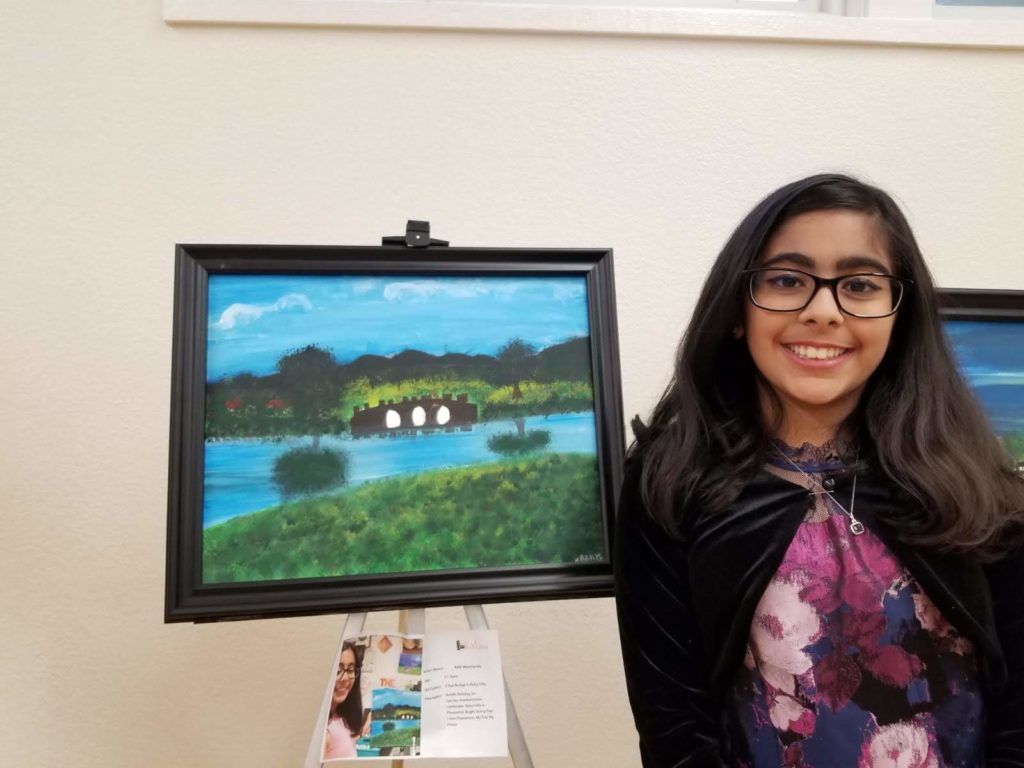
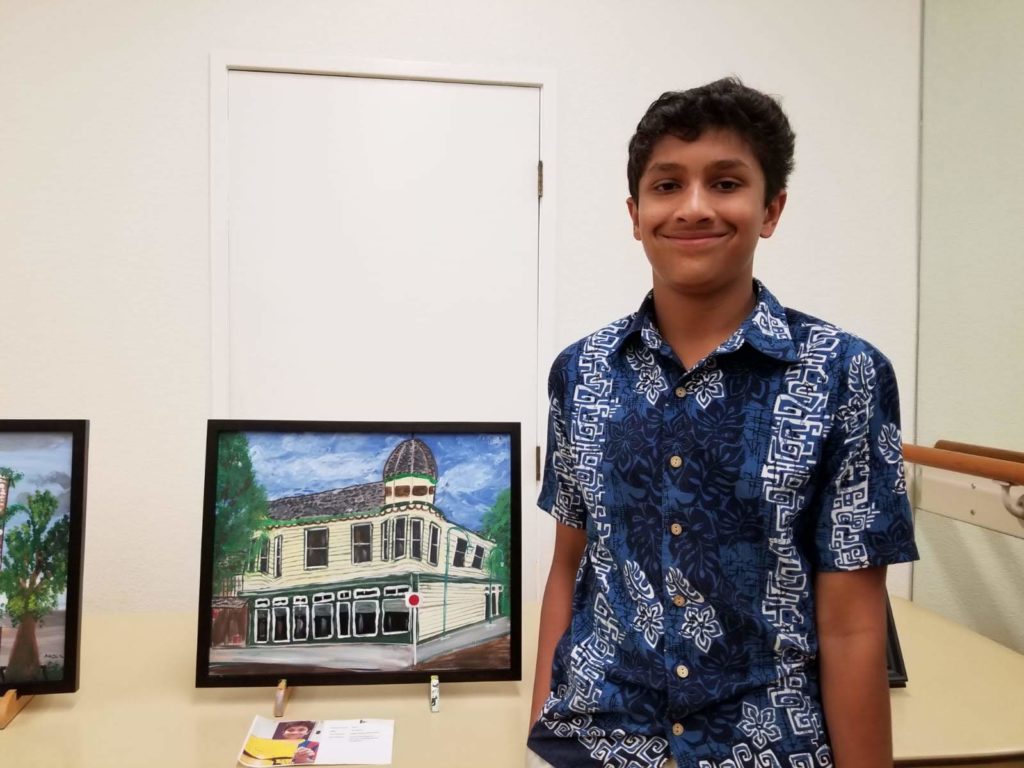
Every student artist has their own strength and takes their own time. Students ages, 8-11 years are grouped together with mentor-student ratios of 1: 6 . Students are taught individually while being in a group setting. Students in this age are more self-sufficient, have arrived at the “age of reason” and will solve problems on their own. They have the ability and desire to do things themselves. It’s important at this age that art still remains fun, at the same time educational, and disciplined, and not shadowing their developing self-identity. We will also encourage students to participate in local/ national art competitions and write blogs for further growth.
Visual Art Intermediate 2
(Students generally ages, 12 & up years with mentor-student ratios of 1: 6 )
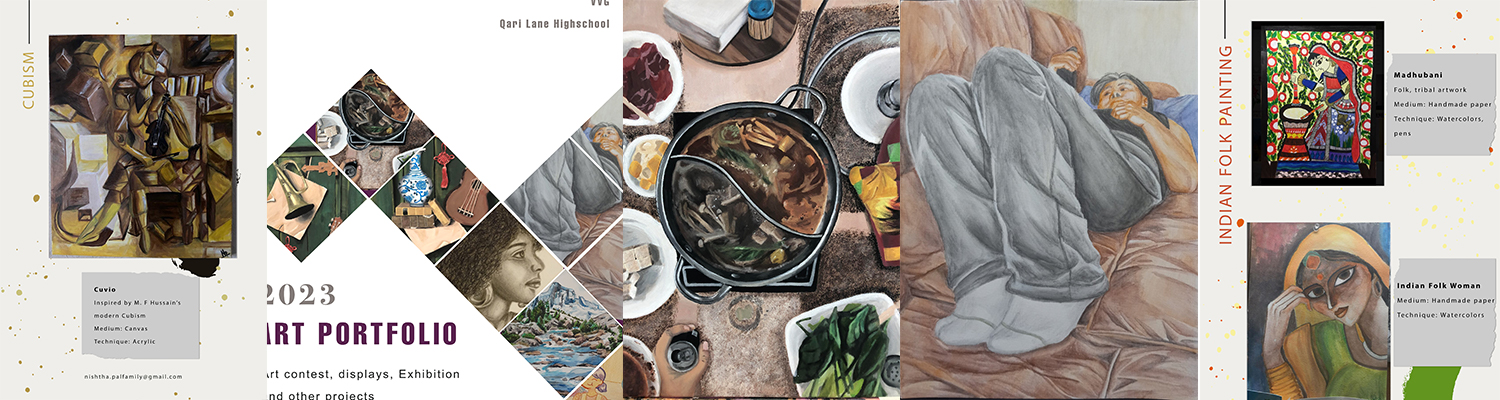
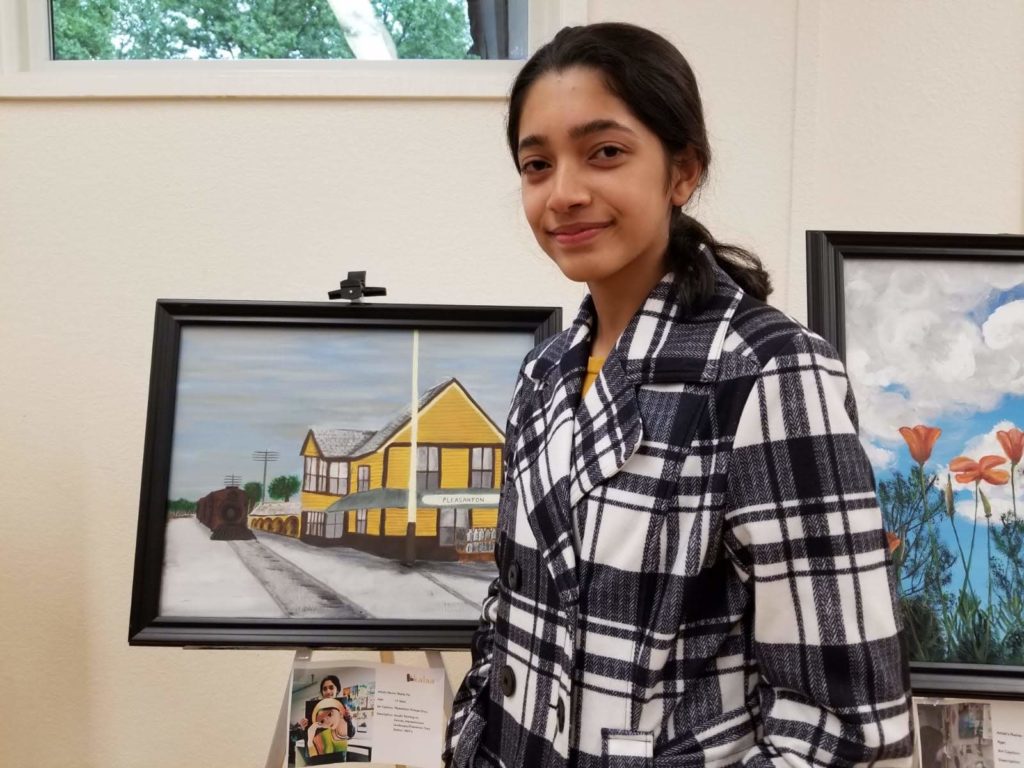
Students are taught individually while being in a group setting. This creative journey demands a deeper understanding of skill-building and needs attention to detail, perseverance, and patience to achieve final outcome. This goal could be an art portfolio for an art college or university or substitute art portfolios for STEM students. It could also be competing in art contests or developing the habits of success and discipline or developing skills for fulfillment.
Visual Art Advanced Portfolio
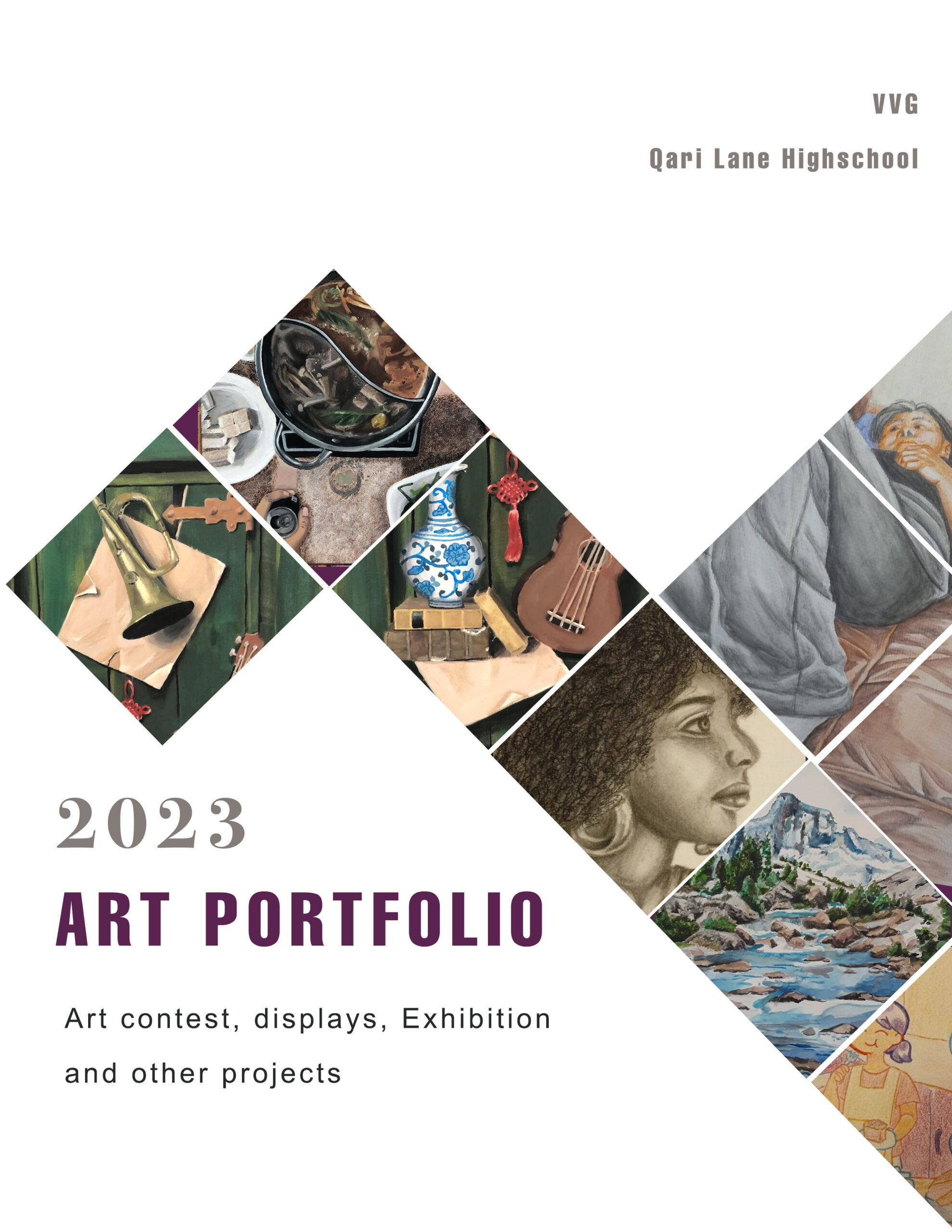
After reviewing countless student portfolios, we wanted to offer some tips for compiling your portfolio. This advice will help you create a portfolio that showcases your technical, creative, and conceptual abilities and separates you from other applicants. A thoughtful portfolio shows your strengths and potential for high-school or College-level work.
Professional Profile Website
Our studio will help you to showcase your artistic journey with a stunning, custom-designed profile website. Highlight your creative projects, achievements, and unique style. Impress college admissions with a portfolio that reflects your artistic vision. Make your application stand out with a beautifully crafted digital presence.
Visual Art Programs
Foundation Art
(Students ages, 5-8 years with mentor-student ratios of 1: 6)
Students aged 5- 8 years are grouped together with mentor-student ratios of 1: 6. We understand that children of this age require lots of personal attention at the same time their attention span is very small thus making projects simple yet skill educative. Classes are taught step by step and students may add their own creative touches. Every student artist has their own strength and takes their own time therefore kids can finish the pending task at home.
Visual Art Intermediate- 1
(Students ages, 8-11 years with mentor-student ratios
of 1: 6)
Every student artist has their own strength and takes their own time. Students ages, 8-11 years are grouped together with mentor-student ratios of 1: 6 . Students are taught individually while being in a group setting. Students in this age are more self-sufficient, have arrived at the “age of reason” and will solve problems on their own. They have the ability and desire to do things themselves. It’s important at this age that art still remains fun, at the same time educational, and disciplined, and not shadowing their developing self-identity. We will also encourage students to participate in local/ national art competitions and write blogs for further growth.
Visual Art Intermediate 2
(Students generally ages, 12 & up years with mentor-student ratios of 1: 6 )
Students are taught individually while being in a group setting. This creative journey demands a deeper understanding of skill-building and needs attention to detail, perseverance, and patience to achieve final outcome. This goal could be an art portfolio for an art college or university or substitute art portfolios for STEM students. It could also be competing in art contests or developing the habits of success and discipline or developing skills for fulfillment.
Visual Art Advanced Portfolio
After reviewing countless student portfolios, we wanted to offer some tips for compiling your portfolio. This advice will help you create a portfolio that showcases your technical, creative, and conceptual abilities and separates you from other applicants. A thoughtful portfolio shows your strengths and potential for high-school-level work.
FASHION & TEXTILE
Design Programs
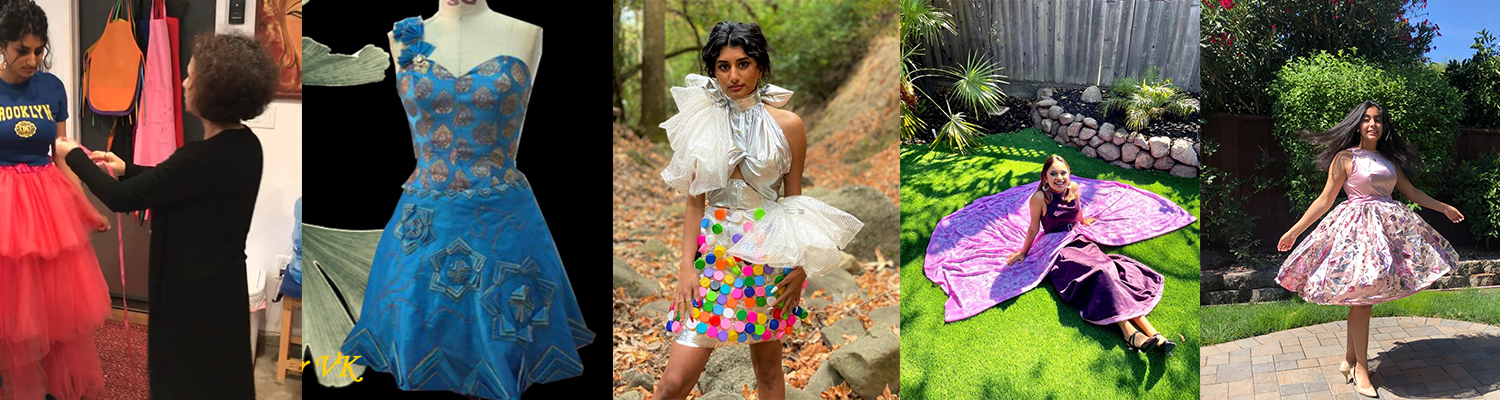
Foundation-Fashion Design
The focus of fashion design is on developing skills in Fashion illustrations, hand embroidery, and machine sewing projects for ongoing students and teaching basic skills, pattern designing, and developing one embroidery and one sewing-based product for new students after basic skill development. Students will move as per their level and abilities, every student has their own pace and strengths.
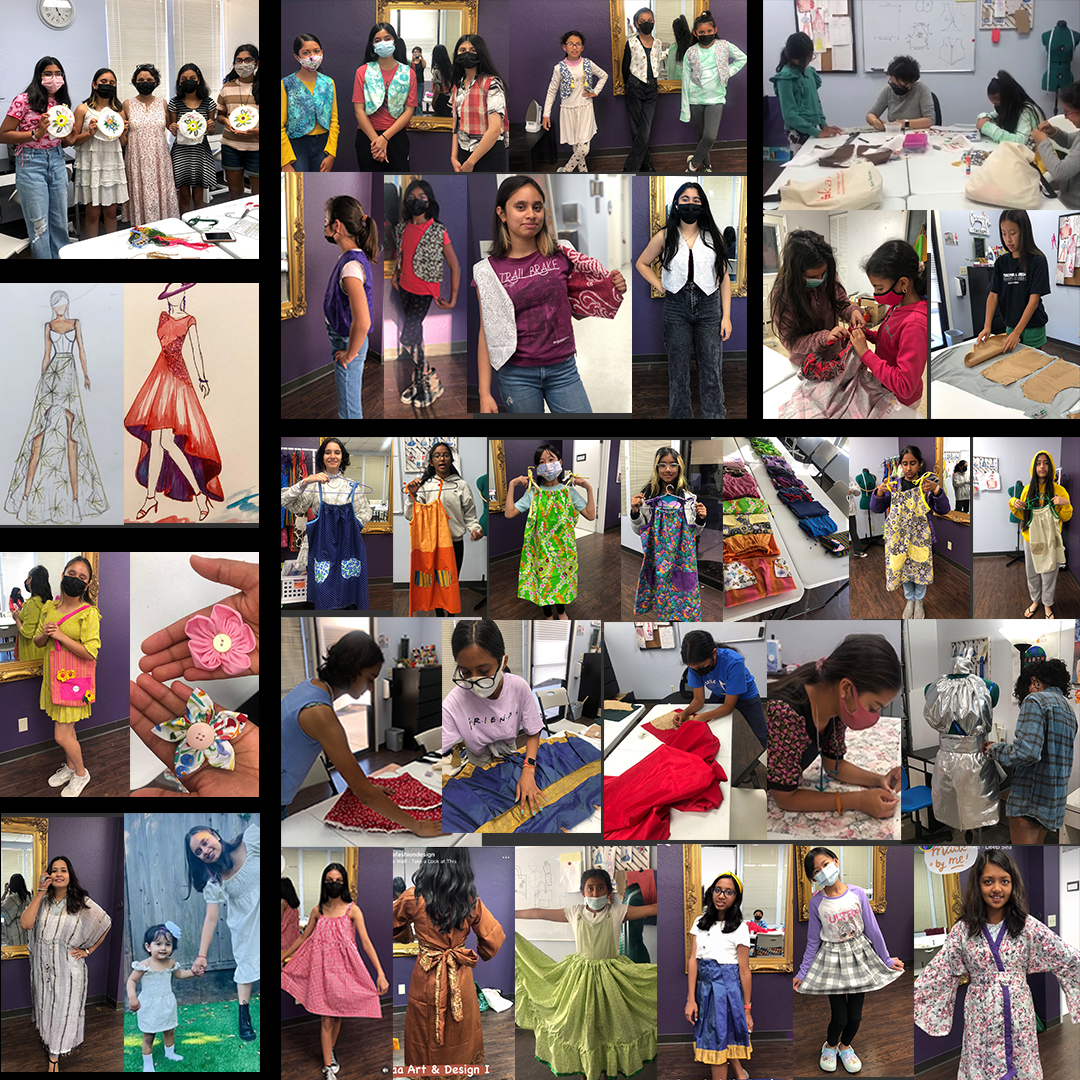
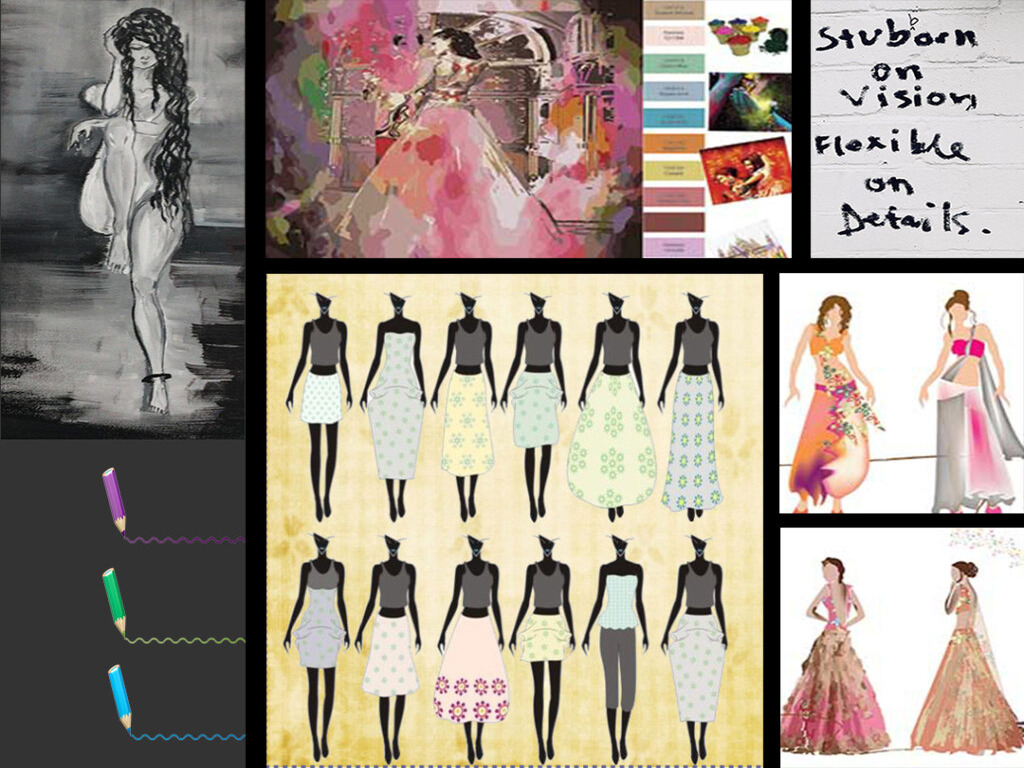
Intermediate-Fashion Design
In Fashion Designing, students should cognitively appreciate craft by applying their thoughts to it, as the projects intend to develop skills, at the same time provoke cognitive abilities. This creative journey demands a deeper understanding of skill-building and needs attention to detail, perseverance, and patience to achieve final outcome. Every designer has their own strength and takes their own time. mainly they should be able to accomplish a fair level in Fashion Illustration, Neck variations- Shapes, cowl, off the shoulder, Collar variations- Tie & Bow/ Peter-pan/ Shawl, Sleeve- Flared/ Puffed/Bishop/ Raglan/ kimono, Embroidery Product of their choice,2 Garment designs with sleeve and neck variation (Upper and lower torso).
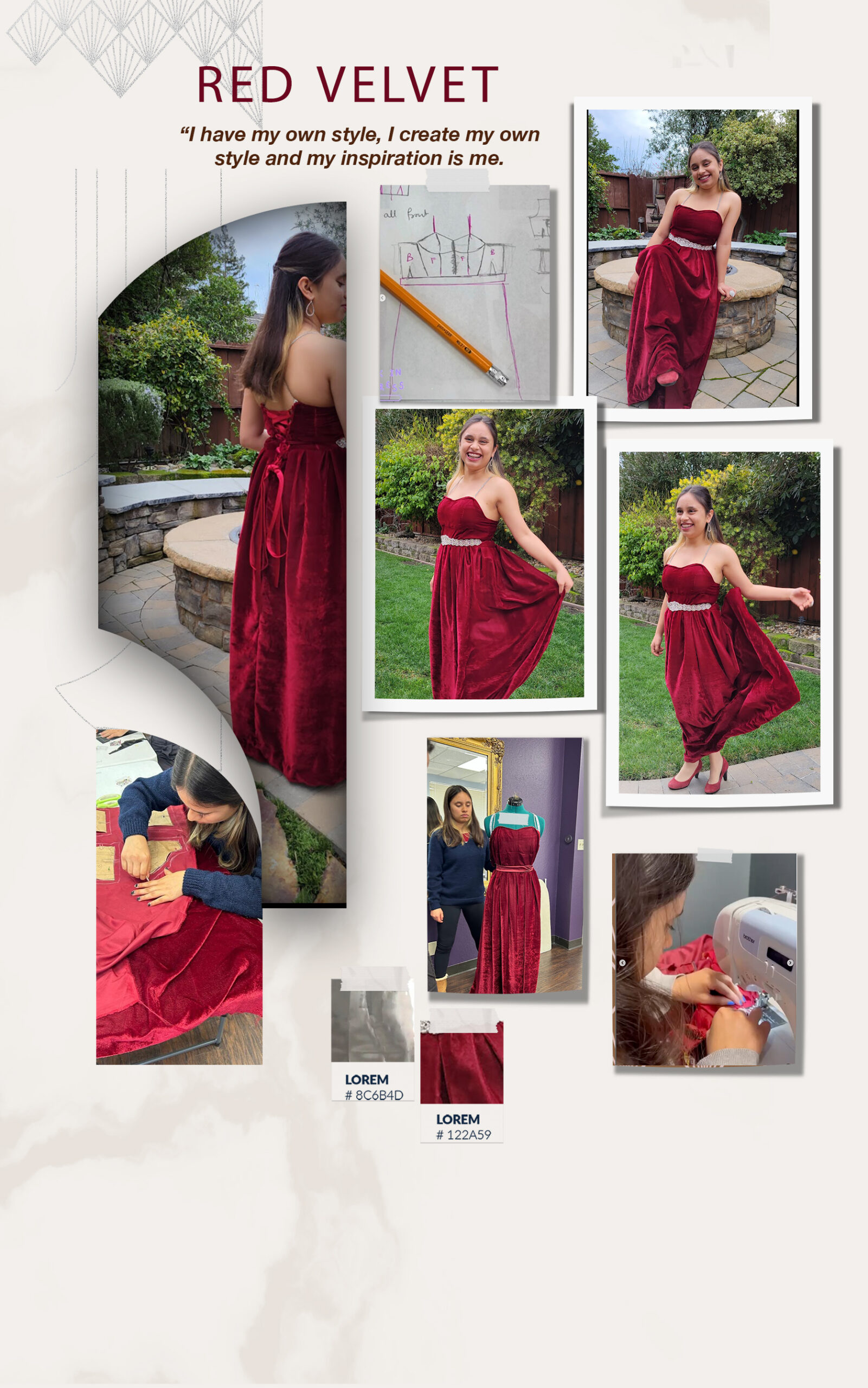
Advanced Fashion Design & Portfolio
A fashion design portfolio is a collection of student’s work that showcases their skills and abilities. It can be used to apply to fashion design schools, for employment, or for personal development. Projects starting with concept generation, developing boards, illustrations/pattern development/ test fit/ garment construction with complete finishing( time of execution is 1-2 years) Each skill is focused on refining sewing, needlecraft, illustrations, and pattern designing. All Projects would take more than a few classes to finish.
Custom Designed Digital Portfolio
Stand out with a website that reflects your passion for creativity and Fashion design skills. We will help you Create a visually striking profile website where you can showcase your unique style and artistic growth with a polished digital portfolio including your best art and design work, in a professional online space. .
Foundation-Fashion Design
The focus of fashion design is on developing skills in Fashion illustrations, hand embroidery, and machine sewing projects for ongoing students and teaching basic skills, pattern designing, and developing one embroidery and one sewing-based product for new students after basic skill development. Students will move as per their level and abilities, every student has their own pace and strengths.
Intermediate-Fashion Design
In Fashion Designing, students should cognitively appreciate craft by applying their thoughts to it, as the projects intend to develop skills, at the same time provoke cognitive abilities. This creative journey demands a deeper understanding of skill-building and needs attention to detail, perseverance, and patience to achieve final outcome. Every designer has their own strength and takes their own time. mainly they should be able to accomplish a fair level in Fashion Illustration, Neck variations- Shapes, cowl, off the shoulder, Collar variations- Tie & Bow/ Peter-pan/ Shawl, Sleeve- Flared/ Puffed/Bishop/ Raglan/ kimono, Embroidery Product of their choice,2 Garment designs with sleeve and neck variation (Upper and lower torso).
Advanced Fashion Design & Portfolio
4 conceptual Portfolio garments starting with concept generation, developing boards, illustrations/pattern development/ test fit/ garment construction with complete finishing( time of execution is 1-2 years) Each skill is focused on refining sewing, needlecraft, illustrations, and pattern designing. All Projects would take more than a few classes to finish.